Amber: insects frozen in time for 100 million years
Tree resin not sap trapped insects 99 million years ago, with feathers and a dinosaur tail inside.
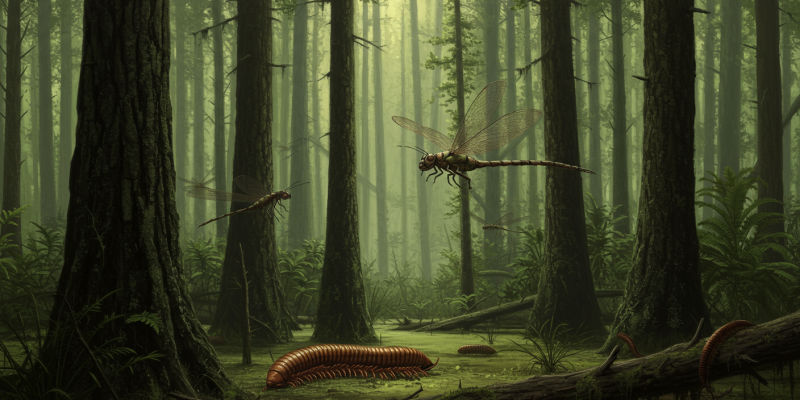
Sticky resin not sap catches perfect insects
Amber forms from sticky tree resin, not watery sap, which traps ants, flies and spiders in minutes and hardens over 2 million years into golden stone.
Baltic amber is 44 million years old from vast pine forests, while Burmese amber is 99 million years old and holds Cretaceous feathers, frogs and lizards.
Dinosaur tail found but Jurassic Park stays fiction
In 2016 scientists found a feathered dinosaur tail 99 million years old in Burmese amber, with chestnut feathers, ants and 6-millimeter beetles preserved beside it.
Mosquito DNA cannot because fragments decay within 1 million years, and air bubbles study ancient oxygen at 32 percent versus 21 percent today, not clones.
- Amber is resin not sap
- Baltic amber is 44 million years old
- Burmese amber is 99 million years old
- Dinosaur tail found in 2016
- DNA decays within 1 million years
Topics:amber insects fossilBurmese amber dinosaursBaltic amber ageJurassic Park myth