Cosmic Era Blog
Earth history, dinosaurs and space — short reads for curious minds.
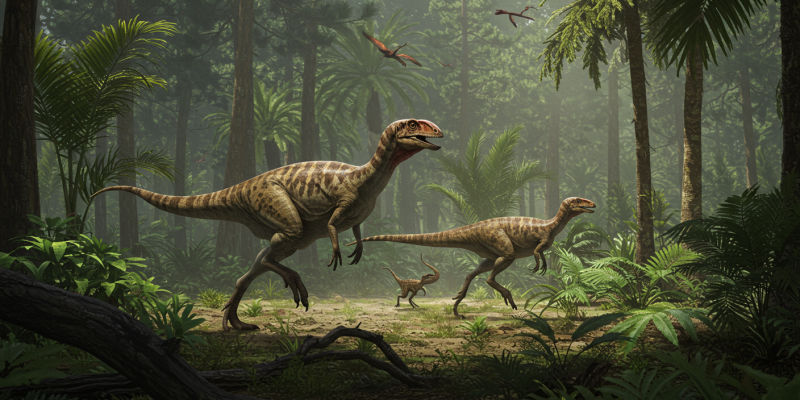
When did dinosaurs live? Dates for the whole Mesozoic era
Dinosaurs lived from 240 to 66 million years ago across the Triassic, Jurassic and Cretaceous periods.
Read →How big was T. rex? Size, weight and bite of the tyrant king
Tyrannosaurus rex reached 12 meters and 9 tons. Real size, bite force and speed of the most famous dinosaur.
Read →Real Velociraptor size: turkey, feathers and the movie lie
Real Velociraptor was turkey-sized and feathered. True size, claws and hunting of the famous raptor.
Read →Triceratops horns and frill: why the three-horned face worked
Triceratops had three horns and a giant frill. How the famous dinosaur defended itself 68 million years ago.
Read →How Tall Was Brachiosaurus? Height, Weight and Long Neck
Brachiosaurus reached 9 meters tall and 35 tonnes, eating about 300 kg of plants every day.
Read →Stegosaurus Plates and Tail Spikes: Armor of the Jurassic
Stegosaurus was 9 meters long and 5 tonnes, with 17 back plates and four 1-meter tail spikes.
Read →Pterosaurs Were Not Dinosaurs: Flying Reptiles Explained
Pterosaurs were flying reptiles, not dinosaurs, with 11-meter wings and hollow bones from 228 to 66 million years ago.
Read →Mosasaurus: 15-Meter Marine Lizard, Not a Dinosaur
Mosasaurus reached 15 to 18 meters in Late Cretaceous seas 82 to 66 million years ago, a giant lizard.
Read →Dinosaur Eggs and Nests: Maiasaura, Oviraptor and Care
Dinosaur eggs reached 60 cm with porous shells, while Maiasaura colonies and brooding Oviraptor show parental care.
Read →Fastest Dinosaur: Ostrich-Like Ornithomimus Up to 70 km/h
Ornithomimids like Gallimimus reached 60 to 80 km/h in the Late Cretaceous with long ostrich legs and toothless beaks.
Read →Smartest Dinosaur? Troodon Brain and Senses Explained
Troodon had the largest brain-to-body ratio of any dinosaur, with night vision and grasping hands.
Read →What Color Were Dinosaurs? Feathers and Melanosomes
Fossil melanosomes reveal dinosaur colors, from striped tails to iridescent black feathers.
Read →How Fossils Form: From Bone to Stone in 5 Steps
Fossils form through rapid burial and mineral replacement, preserving less than one tenth of one percent of life.
Read →Mary Anning: Fossil Hunter of Lyme Regis Explained
Mary Anning found the first ichthyosaur at age 12 and shaped paleontology despite poverty.
Read →Best Dinosaur Museums in the World for Kids
Five great museums show giants like Giraffatitan, with tips on weekdays and online tickets.
Read →Jurassic vs Cretaceous: How the Two Periods Differ
Jurassic built giants and first birds while Cretaceous added flowers, T rex and a final asteroid.
Read →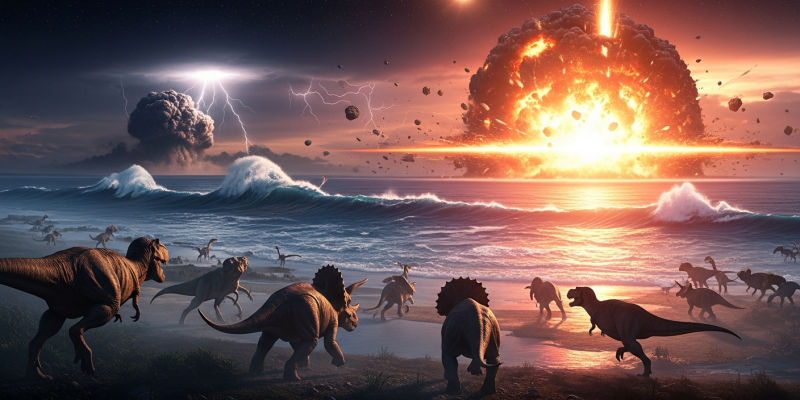
Why Did Dinosaurs Go Extinct? Explanation for Kids
A 10-kilometer asteroid and volcanoes darkened the sky 66 million years ago, ending 75 percent of species.
Read →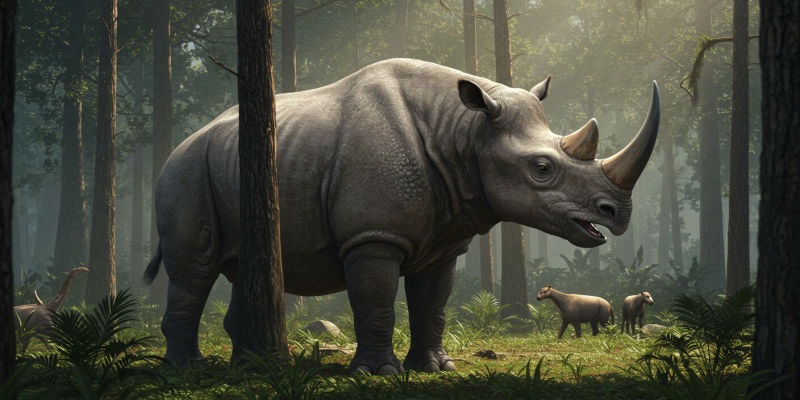
Mammals After Dinosaurs: From Shrews to Whales in 10 Million Years
Tiny nocturnal mammals survived the asteroid and grew into whales and primates within 10 million years.
Read →Birds Are Living Dinosaurs: 5 Proofs Explained
Archaeopteryx, wishbones and feathers prove 11,000 bird species are living dinosaurs.
Read →What Dinosaur Names Mean: Rex Saurus Raptor Explained
Dinosaur names mix Greek and Latin roots, from tyrant lizard to swift thief.
Read →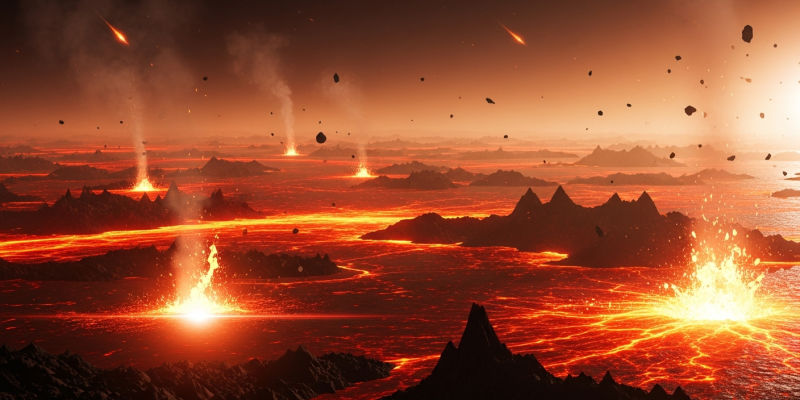
Geological time scale explained: eons, eras and periods
Earth is 4.54 billion years old and its history is split into eons, eras and periods you can read like a calendar.
Read →Hadean eon: hellish first 600 million years of Earth
From 4.6 to 4.0 billion years ago Earth was a magma ocean with impacts, yet oceans formed by 4.4 billion years ago.
Read →Archean eon: first life in a methane sky
From 4.0 to 2.5 billion years ago first cells appeared near 3.8 billion years ago under an orange methane haze.
Read →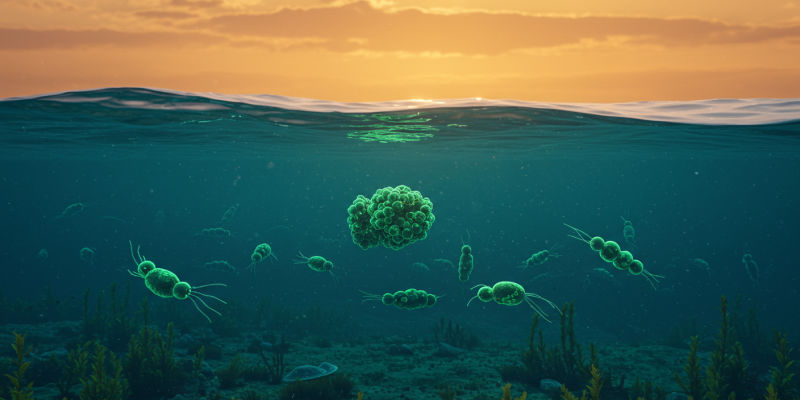
Proterozoic eon: oxygen catastrophe and first complex cells
From 2.5 billion to 541 million years ago oxygen flooded the air and eukaryotes plus first multicellular life appeared.
Read →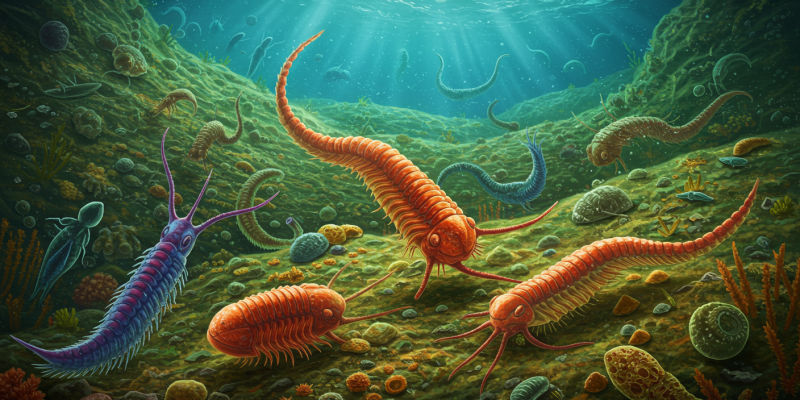
Paleozoic era: 300 million years from trilobites to reptiles
From 541 to 252 million years ago six periods ran from the Cambrian explosion to the Permian extinction of 90 percent.
Read →Mesozoic era: Triassic, Jurassic, Cretaceous in one guide
From 252 to 66 million years ago dinosaurs ruled a breaking Pangea until an asteroid ended the era.
Read →Cenozoic era: 66 million years of mammals and humans
From 66 million years ago to today mammals rose through Paleogene, Neogene and Quaternary ice ages to humans.
Read →Cambrian explosion: why complex life burst 541 million years ago
About 541 million years ago animal life burst in 20 million years with trilobites and predators like anomalocaris.
Read →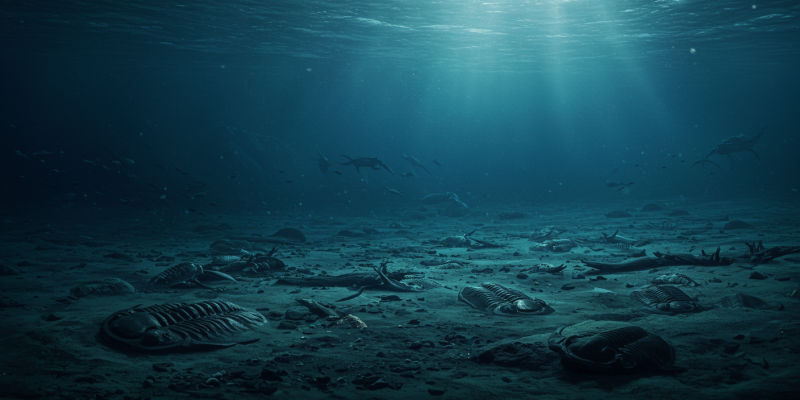
Ordovician period: sea life boom before the ice
From 485 to 444 million years ago seas filled with trilobites and nautiloids before glaciers triggered a huge extinction.
Read →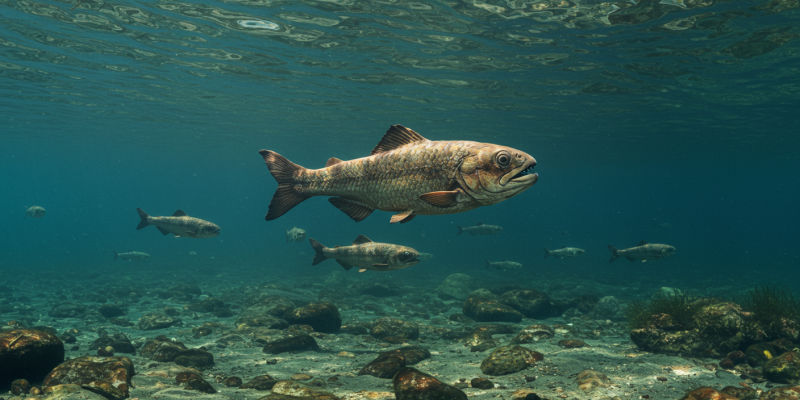
Devonian age of fish: oceans, reefs and first legs
From 419 to 359 million years ago armored fish ruled seas while fins turned into limbs on land.
Read →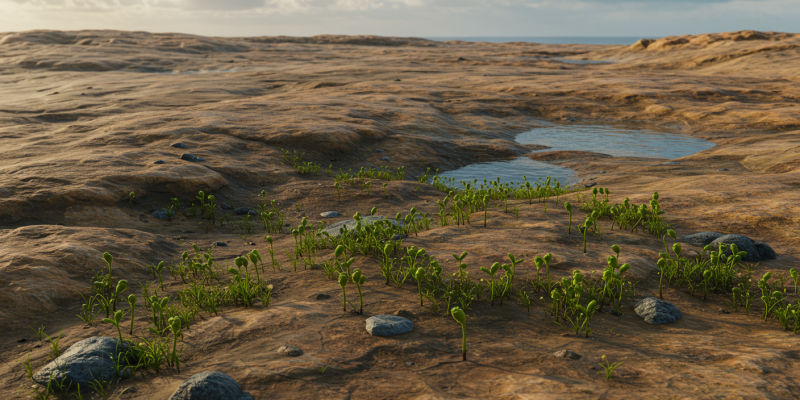
Carboniferous: giant insects and coal forests
From 359 to 299 million years ago high oxygen grew 70-centimeter dragonflies above vast coal forests.
Read →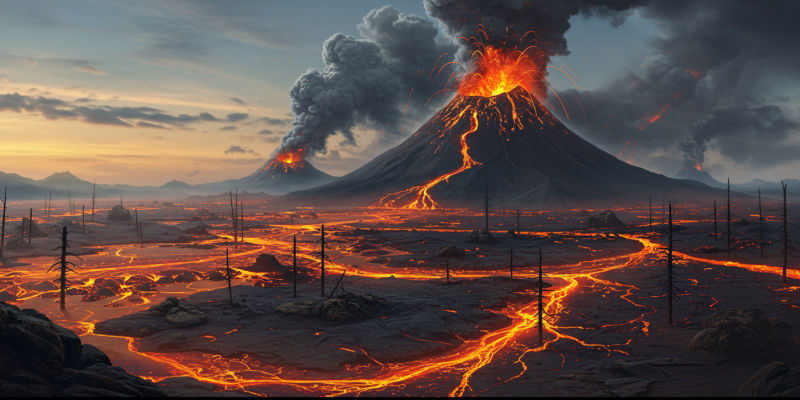
Permian period: Pangea desert world before the dying
From 299 to 252 million years ago Pangaea deserts spread before volcanoes caused the greatest extinction.
Read →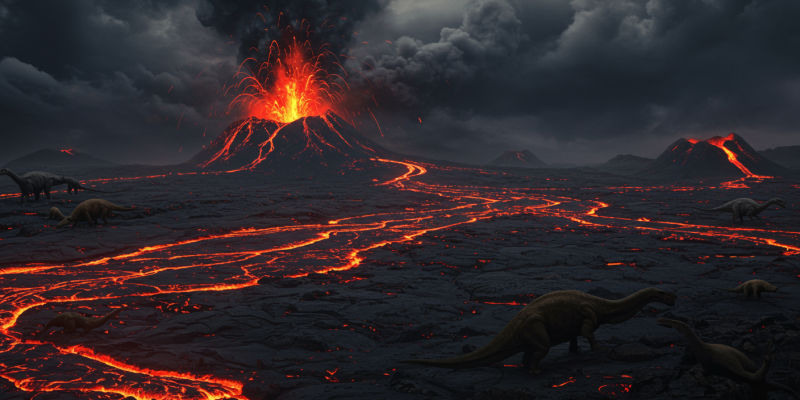
Triassic period: life recovers, first dinosaurs appear
From 252 to 201 million years ago life rebounded and the first dinosaurs, mammals and flying reptiles evolved.
Read →Jurassic period: 56 million years of giants
From 201 to 145 million years ago giant sauropods, fierce predators and the first birds ruled warm Earth.
Read →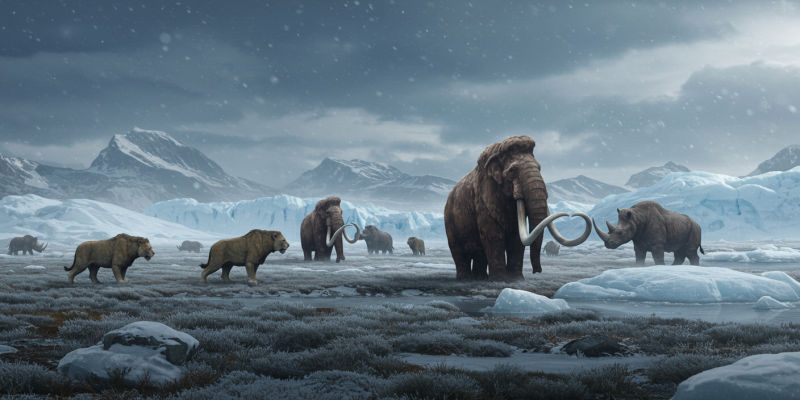
Ice ages explained: why glaciers come and go
Over the last 2.6 million years ice sheets advanced every 100 thousand years, peaking 20 thousand years ago.
Read →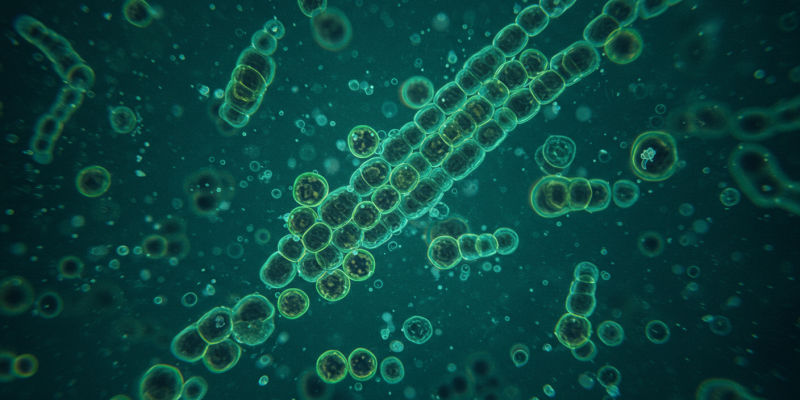
How did life begin? Warm ponds, vents and RNA
Earth's first life appeared about 3800 million years ago, possibly starting as RNA in warm ponds or deep hydrothermal vents.
Read →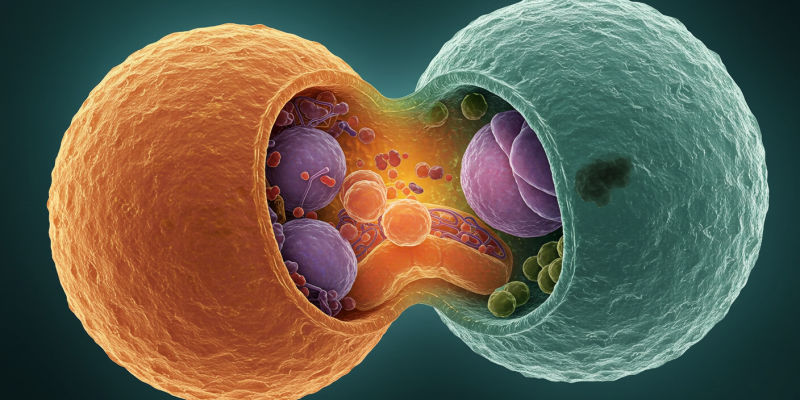
First eukaryotes: when cells swallowed power plants
Complex cells appeared about 2000 million years ago when one microbe engulfed another that became mitochondria.
Read →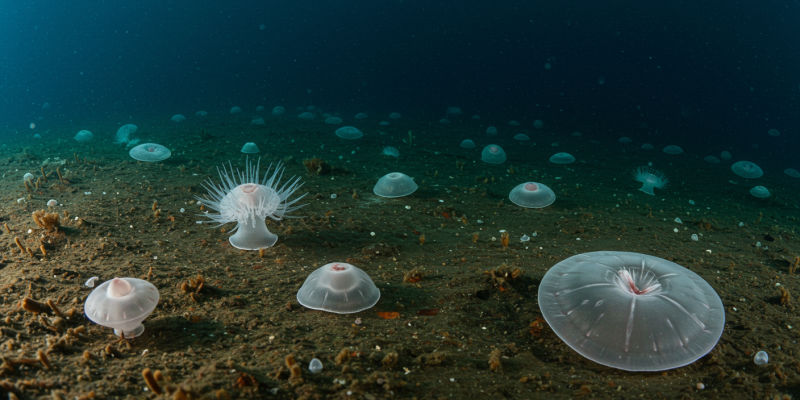
Ediacaran fauna: strange first animals before the explosion
Soft quilted creatures lived 635 to 541 million years ago with no mouths or eyes, mostly vanishing before the Cambrian.
Read →First fish: jawless swimmers that gave us backbones
Jawless fish swam 530 million years ago in China, inventing the backbone, skull and paired senses we still carry.
Read →Tiktaalik: the fish with wrists that crawled ashore
A 375-million-year-old predator in Canada had fins with wrists, a neck and lungs, bridging fish and tetrapods.
Read →First forests: how plants conquered land 400 million years ago
Tiny Cooksonia 425 million years ago grew roots that broke rocks, made soil and filled air with oxygen.
Read →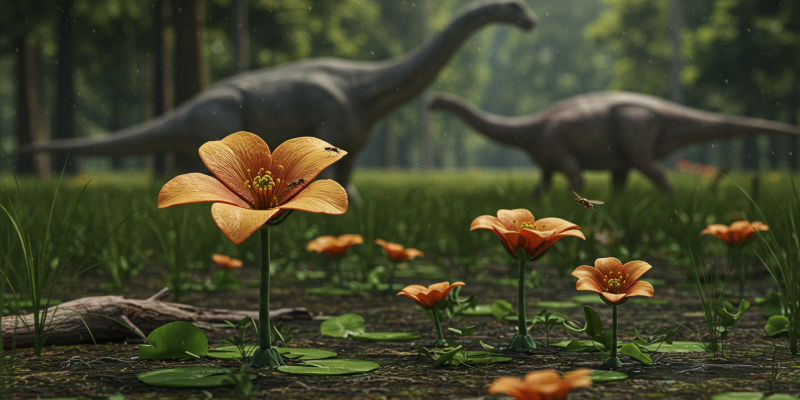
First flowers: Cretaceous bloom that changed the planet
Flowering plants appeared 130 million years ago and now make 90 percent of plants by teaming with bees.
Read →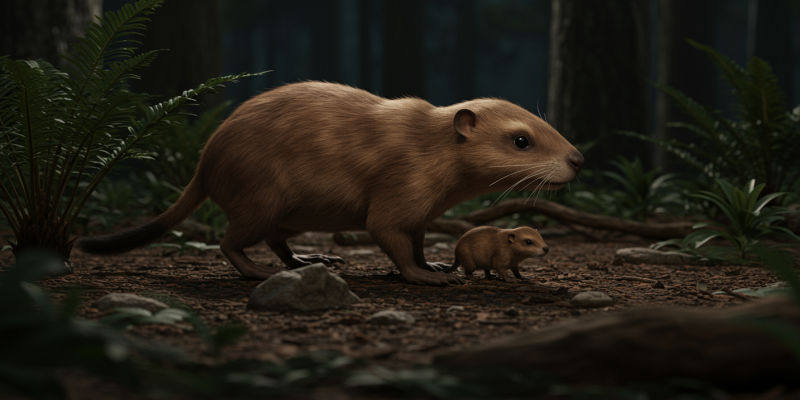
First mammals: shrew-sized survivors in dinosaur shadows
Morganucodon 225 million years ago weighed 30 grams, drank milk and hid from dinosaurs for 160 million years.
Read →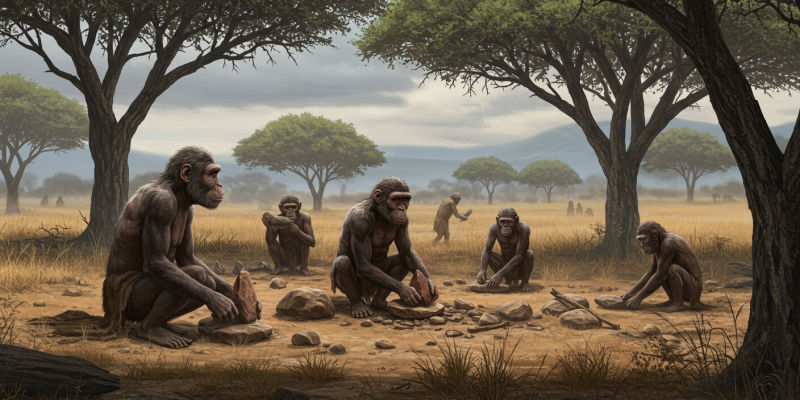
Human evolution in 7 steps: from Sahelanthropus to sapiens
Our story spans 7 million years from upright apes to Lucy, tool makers, fire users and modern humans.
Read →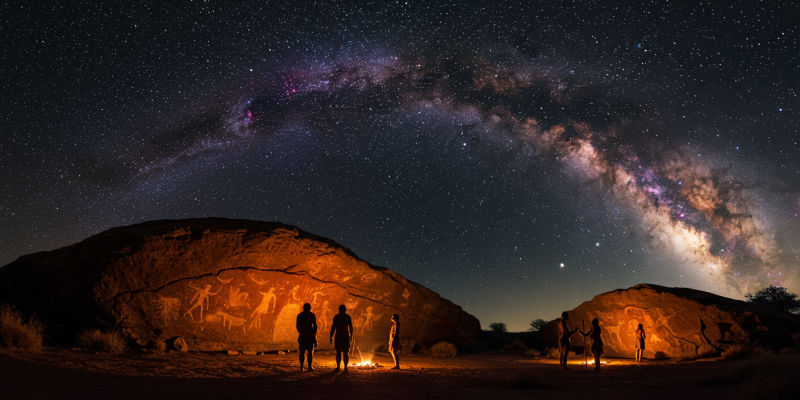
Neanderthals: how our cousins really lived
Neanderthals ruled Europe 400 to 40 thousand years ago with bigger brains, fire, burials and art.
Read →Mammoths: ice age giants and why they vanished
Woolly giants 4 meters tall with 4-meter tusks survived until 4000 years ago when pyramids already stood.
Read →Saber-tooth cats: 28cm fangs of Smilodon
Smilodon weighed 300 kilos with 28-centimeter fangs and ruled the Americas until 10000 years ago.
Read →Big 5 mass extinctions: when life almost ended
Earth suffered five great dyings, the worst 252 million years ago, each reshaping evolution forever.
Read →Permian extinction: the Great Dying killed 90% of seas
252 million years ago Siberian volcanoes wiped out 90 percent of marine life in the worst extinction ever.
Read →Chicxulub asteroid: 10 km rock that killed dinosaurs
66 million years ago a 10 kilometre asteroid hit Yucatan and ended 165 million years of dinosaur rule.
Read →Deccan Traps: Indian volcanoes that weakened dinosaurs
66 million years ago Indian lava covered 500000 square kilometres and stressed dinosaurs before the asteroid hit.
Read →
Oxygen catastrophe: when air became poison 2.4 billion years ago
2.4 billion years ago cyanobacteria waste oxygen rusted oceans and poisoned most early life on Earth.
Read →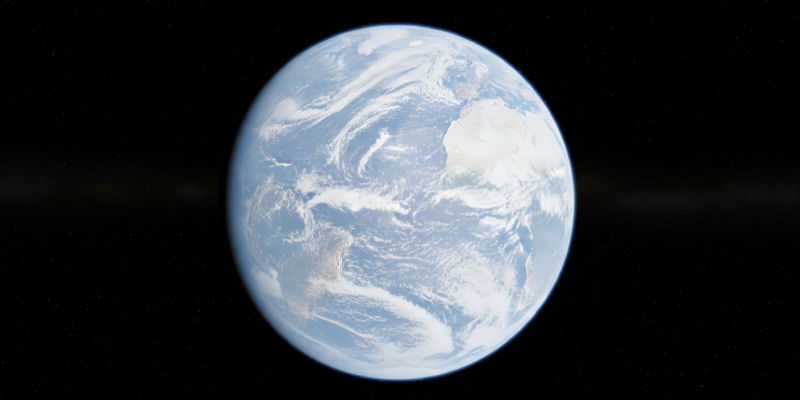
Snowball Earth: when the planet froze over twice
720 and 635 million years ago ice reached the equator and Earth turned into a white snowball twice.
Read →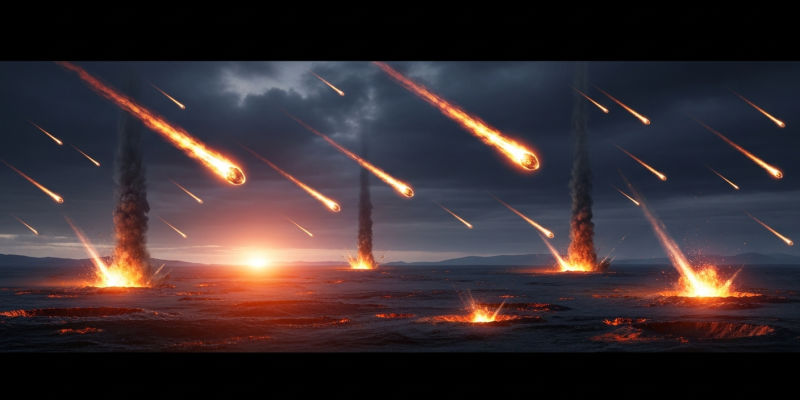
Supervolcanoes: Toba, Yellowstone and volcanic winter
A VEI-8 blast ejects over 1000 cubic kilometres of ash and can freeze Earth for years at a time.
Read →Sixth extinction: are humans causing it now?
Current extinction rates run 100 to 1000 times background and 28 percent of species face threats today.
Read →How old is Earth? 4.54 billion years of evidence
Scientists date Earth at 4.54 billion years using meteorites, Moon rocks and ancient zircons.
Read →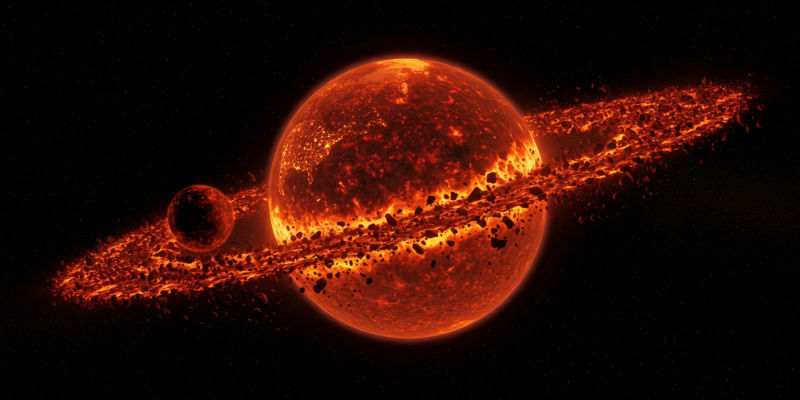
How the Moon formed: giant impact of Theia
A Mars-sized body called Theia hit Earth 4.5 billion years ago and debris formed the Moon.
Read →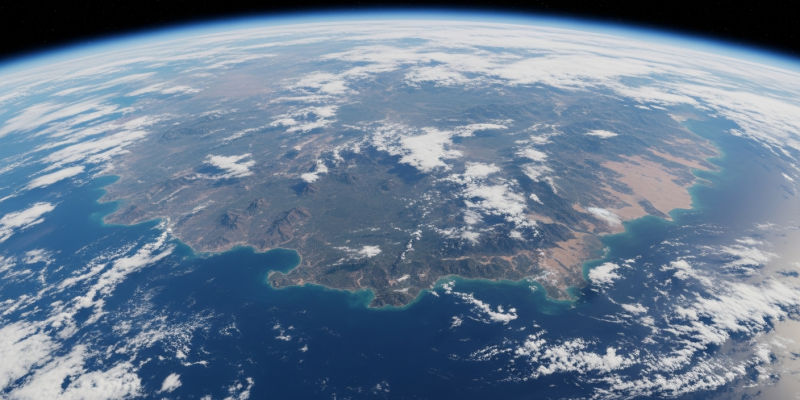
Plate tectonics explained: continents that move
Earth has 7 major plates moving 2 to 10 cm yearly, building mountains and causing quakes.
Read →Pangea: the supercontinent that split apart
Pangea formed 335 million years ago and split 200 million years ago, opening the Atlantic Ocean.
Read →How volcanoes work: magma chambers and eruption types
Magma becomes lava at the surface, building shields like Hawaii and stratovolcanoes like Fuji.
Read →Earthquakes explained: faults, waves and Richter scale
Faults stick then slip, sending seismic waves; each Richter step means 32 times more energy.
Read →Where did air come from? Origin of the atmosphere
Early air had almost no oxygen for 2 billion years until microbes raised oxygen to 21 percent and nitrogen to 78 percent.
Read →Where did water come from? Asteroids vs volcanoes
Oceans arrived by 4.4 billion years ago but hold only 0.02 percent of Earth mass, with 97 percent salty and undrinkable.
Read →Magnetic field: invisible shield that keeps air
Powered by liquid iron 2900 kilometers down, the shield deflects solar wind and last flipped 780000 years ago.
Read →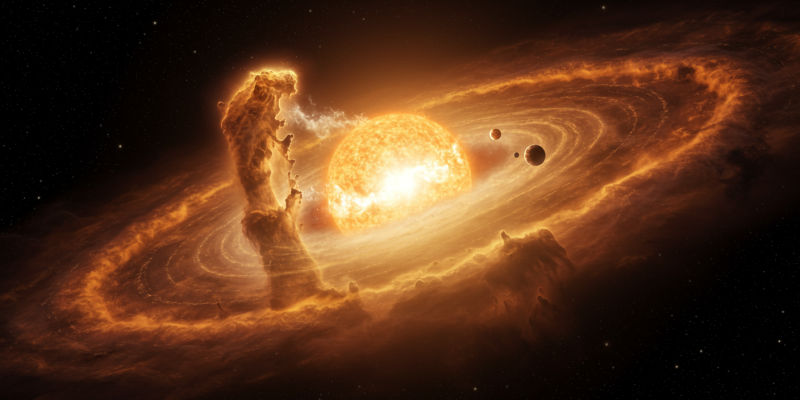
Why seasons happen: tilt, not distance
Seasons come from 23.5 degree tilt, not distance, since Earth stands closest to Sun in early January each year.
Read →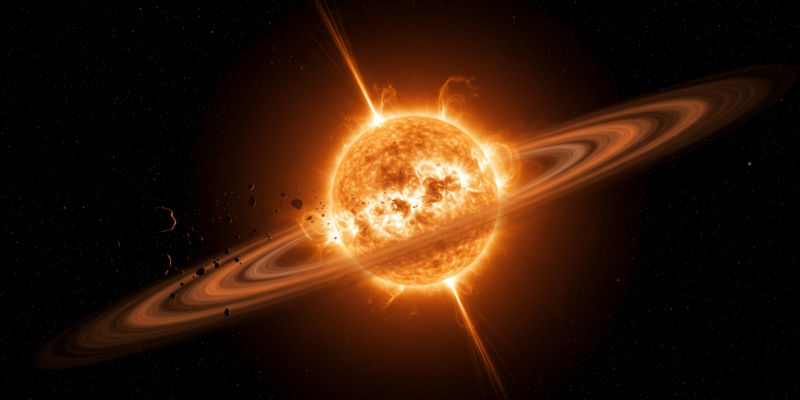
Day length used to be 18 hours: Moon slows Earth
A day lasted only 18 hours 1.4 billion years ago and 23.5 hours 70 million years ago as tides add 1.7 milliseconds per century.
Read →How old is the solar system? 4.6 billion year birth
The solar system formed 4.6 billion years ago from a collapsing cloud, dated by meteorites and Moon rocks with matching ages.
Read →Baking soda volcano experiment at home in 15 minutes
Make a safe baking soda volcano in 15 minutes with a bottle, soda and vinegar.
Read →Make a fossil cast: plaster experiment for kids
Make a plaster fossil cast at home with clay, shell and plaster in one day.
Read →Rock layers in a jar: sediment experiment
Shake sand and soil in a jar to see layers form with oldest at bottom.
Read →Erosion experiment: rain, wind and ice move mountains
Tray soil, ice cubes and a watering can show how erosion carves canyons and deserts.
Read →Dinosaur dig at home: sandbox excavation for young paleontologists
Bury toy bones in a sandbox and excavate like a pro: grid, brushes and find maps.
Read →4.5-billion-year ribbon: classroom timeline activity that works
Stretch 45 meters of ribbon in the schoolyard: 1 meter is 100 million years of Earth history.
Read →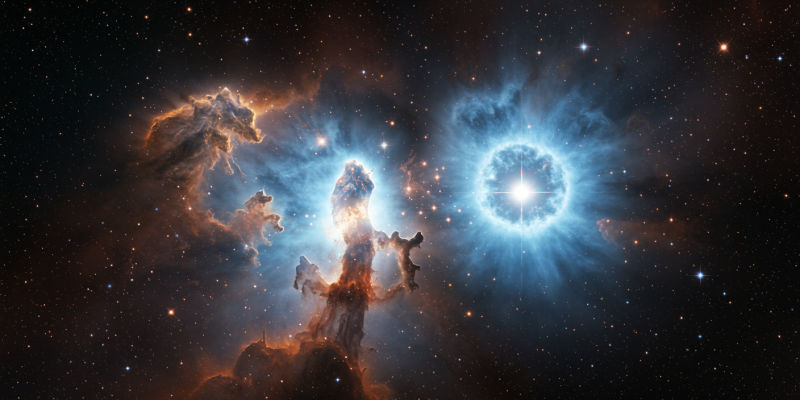
Constellations for kids: map the night sky in one evening
Big Dipper, Orion and Cassiopeia: find three constellations and track Moon phases tonight.
Read →Build a sundial: tell time like ancients
Make a cardboard sundial with a stick and learn how Earth rotation tells time.
Read →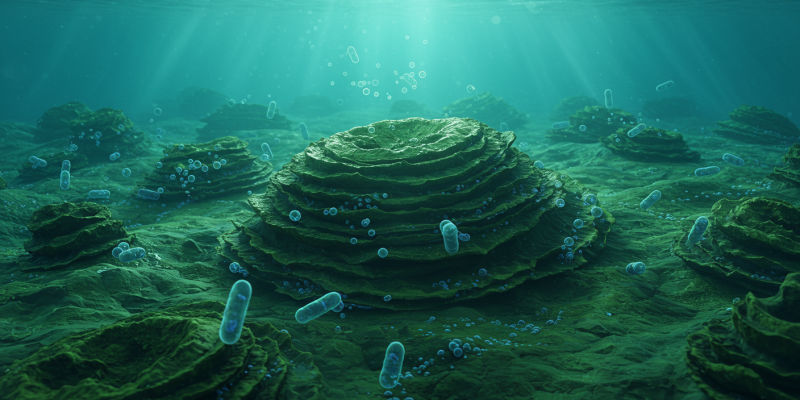
Water cycle in a bag: evaporation on the window
Tape a water bag to a sunny window and watch evaporation and rain form in hours.
Read →Grow crystals at home: salt and sugar geodes
Grow sparkling salt and sugar crystals in a jar and learn how atoms stack in 7 days.
Read →Tectonic plates with crackers: edible geology lesson
Use crackers and frosting to model convergent, divergent and sliding plates in 20 minutes.
Read →20 fossil quiz questions for the classroom with answers
Test your class with 20 fun fossil questions from oldest stromatolites to giant Sue.
Read →Museum lesson plan for teachers: before, during, after visit
Use this 3-part natural history museum plan with hunt sheet and rubric for any class.
Read →Burgess Shale: Cambrian weird wonders of Canada
Canada's 508-million-year-old Burgess Shale preserves soft Cambrian animals in stunning detail.
Read →Hell Creek: last dinosaurs of Montana and Dakota
Montana's 68 to 66-million-year-old Hell Creek holds Tyrannosaurus and Triceratops below the final extinction clay.
Read →Solnhofen limestone: home of Archaeopteryx
Bavaria's 150-million-year-old Solnhofen lagoons preserved 12 feathered Archaeopteryx skeletons in fine limestone.
Read →La Brea tar pits: saber-tooth trap in Los Angeles
Los Angeles 50,000-year-old La Brea asphalt trapped 2000 saber-tooth skulls, mammoths and dire wolves.
Read →Olduvai Gorge: cradle of mankind in Tanzania
Tanzania's 2-million-year-old Olduvai Gorge yielded Homo habilis tools and Paranthropus fossils in layered time.
Read →Lascaux caves: 17,000-year-old art gallery
France's 17000-year-old Lascaux caves hold 600 bull and horse paintings in mineral pigments deep underground.
Read →Pyramids vs mammoths: they lived at the same time
Egypt's Giza pyramids from 2560 BC still stood when Wrangel mammoths lived until 1700 BC in the Arctic.
Read →Lake Baikal: 25 million years old and deepest lake
Siberia's 25-million-year-old Baikal plunges 1642 meters deep and holds 20 percent of world surface fresh water.
Read →Mariana Trench: 11 km down, Everest fits inside
The Pacific Mariana Trench drops 10935 meters to Challenger Deep, deep enough to swallow 8849 meter Everest whole.
Read →Grand Canyon layers: 2 billion years in one cliff
Arizona's 446 km Grand Canyon cuts 1.6 km deep to 1.8 billion year Vishnu rock carved by the Colorado over 6 million years.
Read →Continental drift evidence: 4 proofs Wegener was right
Matching coastlines, identical fossils and rocks plus seafloor spreading prove continents move centimeters ежегодно.
Read →Carbon dating explained: how old is that bone
Carbon-14 with 5730-year half-life dates bone to 50000 years, while dinosaurs need other clocks.
Read →What is a fossil? Definition and types for kids
Fossils are remains or traces older than 10000 years, from bones and teeth to footprints preserved in rock.
Read →Trace fossils: footprints, burrows and fossil poop
Trace fossils record behavior not bodies, from dinosaur stampedes to 3.6-million-year human footprints.
Read →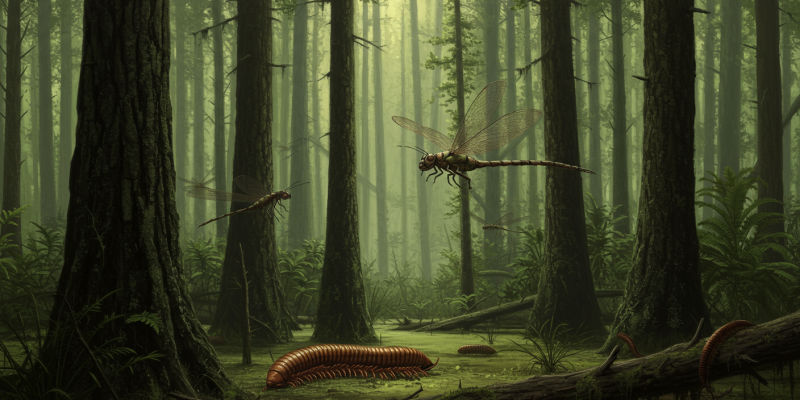
Amber: insects frozen in time for 100 million years
Tree resin not sap trapped insects 99 million years ago, with feathers and a dinosaur tail inside.
Read →Coelacanth: fish that outlived dinosaurs by 66 million years
Thought extinct 66 million years ago, the coelacanth was found alive in 1938 in deep ocean caves.
Read →Horseshoe crabs: 450 million years almost unchanged
Older than dinosaurs, horseshoe crabs spawn on full moons and carry blue copper blood used in medicine.
Read →Nautilus: spiral submarine that survived 500 million years
A 500-million-year lineage, the nautilus uses jet propulsion and chambered buoyancy plus 90 tentacles.
Read →Ginkgo: dinosaur-era tree on your street
Unchanged for 270 million years, ginkgo survived Hiroshima and now resists city pollution worldwide.
Read →Stromatolites: layered rocks built by first life
Dated 3700 million years in Greenland, stromatolites are bacterial mats that made our oxygen.
Read →