Carbon dating explained: how old is that bone
Carbon-14 with 5730-year half-life dates bone to 50000 years, while dinosaurs need other clocks.
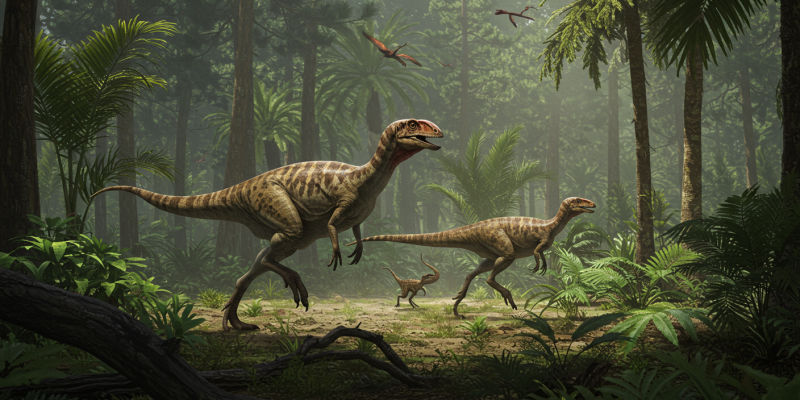
Carbon-14 clock ticks for 50000 years only
Living things absorb radioactive carbon-14, which decays with a 5730-year half-life, so after death the remaining fraction acts like a precise stopwatch for archaeologists today.
After about 50000 years almost no carbon-14 remains, with only 0.1 percent left after 9 half-lives, so mammoth bones work but 66-million-year dinosaur fossils contain zero measurable carbon.
Dinosaurs need older clocks and careful calibration
Dinosaur bones dated by potassium-argon with 1.25-billion-year half-life and uranium-lead spanning billions of years, pinpointing the 66-million-year extinction layer within 100000 years accuracy. in total today for sure
Tree rings back 14000 years and lake layers calibrate raw dates, while modern contamination with 1 percent fresh carbon can make a 40000-year sample appear 7000 years younger falsely.
- Half-life of carbon-14 is 5730 years
- Reliable limit is about 50000 years
- Dinosaurs need potassium-argon and uranium-lead
- Tree rings calibrate dates to 14000 years
- 1 percent contamination shifts age by 7000 years