What is a fossil? Definition and types for kids
Fossils are remains or traces older than 10000 years, from bones and teeth to footprints preserved in rock.
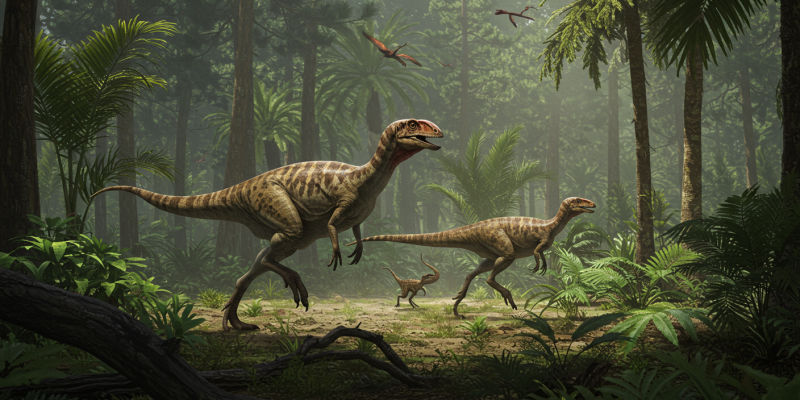
Remains and traces older than 10000 years
A fossil is any preserved remain or trace of ancient life older than 10000 years, including bones, teeth, shells, leaves and even footprints sealed in hardening mud.
Scientists divide them into body fossils like skeletons and trace fossils like burrows, with less than 1 percent of living things ever fossilizing successfully. in total today for sure
How bones turn to stone in 4 ways
Permineralization fills bone pores with silica over 100000 years, casts copy shapes after decay, amber traps insects 99 million years old, and Siberian ice froze mammoths 30000 years ago intact.
Not every old bone is a fossil because true fossils must mineralize or preserve detail, while a 500-year-old cow bone remains just modern bone without stone transformation.
- Fossil must be older than 10000 years
- Body fossils hold bones teeth shells
- Trace fossils hold footprints burrows
- Amber preserved insects 99 million years
- Less than 1 percent fossilizes