Cenozoic era: 66 million years of mammals and humans
From 66 million years ago to today mammals rose through Paleogene, Neogene and Quaternary ice ages to humans.
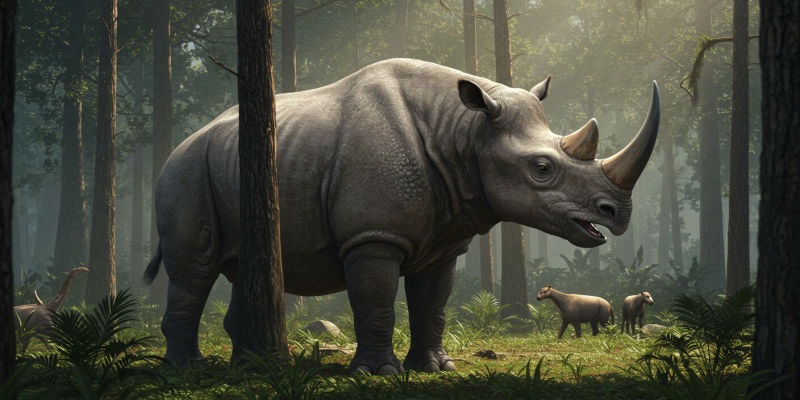
Paleogene recovery and giants
The Cenozoic runs from 66 million years ago to today, split into Paleogene 66 to 23, Neogene 23 to 2.6, and Quaternary 2.6 million years to now. After the asteroid, 10-kilogram mammals spread fast, and by 50 million years ago 2-ton horses ancestors and 5-meter whales ancestors walked near warm seas.
India crashed into Asia 50 million years ago, lifting the Himalayas 8,800 meters high, while grasslands with 2-meter grasses replaced dark forests. Birds grew to 2-meter terror predators, snakes reached 13 meters, and primates with grasping hands appeared in trees 55 million years ago.
Grass, ice and humans
In the Neogene 23 to 2.6 million years ago savannas spread on four continents, horses grew from dog size to 500 kilograms, and elephants with 4-meter tusks roamed. Then the Quaternary brought some 50 ice ages in 2.6 million years, with ice sheets 3 kilometers thick over New York and Berlin.
Modern humans appeared about 300,000 years ago in Africa with 1,400-cubic-centimeter brains, survived -40 degree cold with fire and needles 40,000 years ago, and after the last ice melted 11,700 years ago built farms and cities in just 6,000 years.
- Cenozoic: 66 million years to today
- Parts: Paleogene, Neogene, Quaternary
- Grasslands: spread 23 to 5 million years
- Ice: 50 freezes in 2.6 million years
- Humans: 300,000 years, brains 1,400 cc