Sixth extinction: are humans causing it now?
Current extinction rates run 100 to 1000 times background and 28 percent of species face threats today.
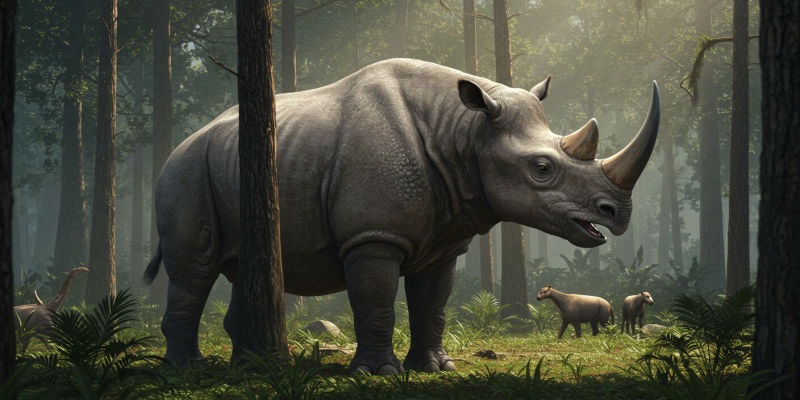
Are we in a sixth extinction
Biologists estimate modern extinctions run 100 to 1000 times the natural background rate of one species per million per year. The Red List counts over 44000 threatened species, about 28 percent of assessed animals, fungi and plants, from amphibians to reef corals.
Megafauna collapsed soon after humans arrived: mammoths 4000 years ago, moas 600 years ago, dodos by 1680 and passenger pigeons in 1914 when Martha died in Cincinnati. Islands lost 90 percent of birds, showing hunting plus rats, cats and habitat loss.
Why this one can be stopped
Unlike asteroids or lava, current drivers are land clearing, overfishing, pollution and warming, all human choices. Protected areas already cover 16 percent of land and eight percent of oceans, and tigers, whales and condors rebounded where hunting stopped and habitats reconnected.
Slowing food waste, eating less beef, stopping bottom trawling and restoring wetlands cut extinction pressure within years. Scientists say saving 30 percent of land and seas by 2030 could halt the sixth extinction, a rescue no dinosaur ever had.
- Rate: 100 to 1000 times background
- Threatened: 28 percent, 44000 species
- Lost: dodo 1680, pigeon 1914, mammoth 4000 BP
- Drivers: habitat, hunting, climate, pollution
- Fix: protect 30 percent by 2030