Mammals After Dinosaurs: From Shrews to Whales in 10 Million Years
Tiny nocturnal mammals survived the asteroid and grew into whales and primates within 10 million years.
How did tiny mammals survive?
During the dinosaur age most mammals weighed under 500 grams, lived at night and ate insects to avoid 8-ton predators. Their burrows stayed 5 degrees warmer during the impact winter, and seeds plus insects fed them for months.
After 66 million years ago empty forests offered leaves, fruits and no giant rivals. Within 1 million years 30 new mammal groups appeared, with body size tripling from 500 grams to 1.5 kilograms on average.
How fast did giants and whales appear?
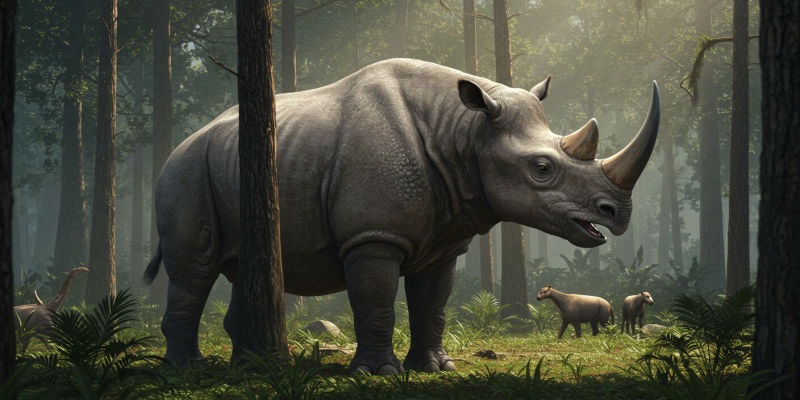
By 55 million years ago Uintatherium reached 2 meters tall and 2 tons with six horn knobs. Andrewsarchus, a 4-meter predator from 45 million years ago, had jaws 1 meter long that crushed turtles and early hoofed prey.
Whales returned to the sea about 50 million years ago from dog-sized Pakicetus to 15-meter Basilosaurus in 10 million years. Early primates with 50-gram bodies and grasping fingers climbed trees 60 million years ago, starting our own lineage.
- Survivors under 500 grams nocturnal insect eaters
- 30 new groups in 1 million years
- Uintatherium 2 meters 2 tons 55 ago
- Whales sea return 50 ago 15 meters later
- Primates 50 grams climbed 60 ago