Supervolcanoes: Toba, Yellowstone and volcanic winter
A VEI-8 blast ejects over 1000 cubic kilometres of ash and can freeze Earth for years at a time.
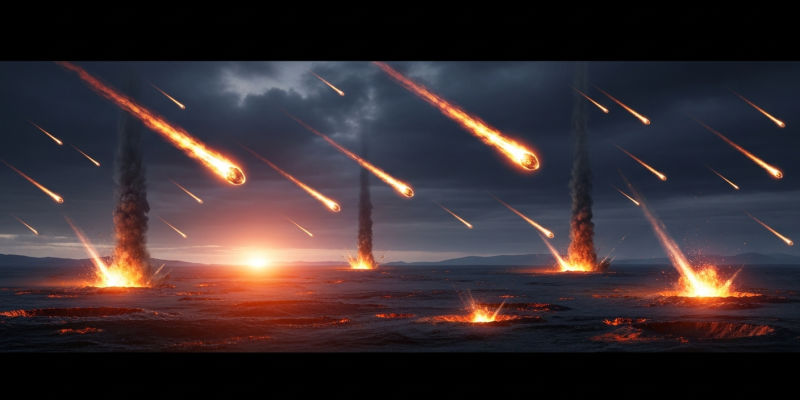
What makes a blast VEI-8
Volcanologists rank eruptions 0 to 8, and only VEI-8 super-eruptions eject over 1000 cubic kilometres of ash, 10000 times Mount St Helens in 1980. Such blasts collapse ground into 100 kilometre calderas, spread ash across continents and inject sulfur that reflects sunlight for years.
Toba in Sumatra erupted 74000 years ago, dumping 2800 cubic kilometres of magma and leaving Lake Toba 100 kilometres long. Some genes suggest humans shrank to a few thousand people then, though archaeology shows tool cultures in India and Africa survived through ash.
Yellowstone and next winter
Yellowstone blew 640000, 1300000 and 2100000 years ago, the last forming a 70 kilometre caldera holding Old Faithful geysers. A future super-blast could drop global temperatures three to five degrees for six years, cutting maize harvests across America and China by ten percent.
Satellites and 50 seismometers watch Yellowstone rise seven centimetres per year, with magma only five to fifteen percent molten. Odds of a super-eruption are about one in 700000 per year, while smaller VEI-4 blasts like Eyjafjallajokull in 2010 remain the real flight risk.
- VEI-8: over 1000 cubic km ash
- Toba: 74000 years ago, 2800 cubic km
- Yellowstone: 640000 years ago, 70 km caldera
- Winter: minus 3 to 5 degrees for years
- Today: monitored, 1 in 700000 yearly odds