How old is Earth? 4.54 billion years of evidence
Scientists date Earth at 4.54 billion years using meteorites, Moon rocks and ancient zircons.
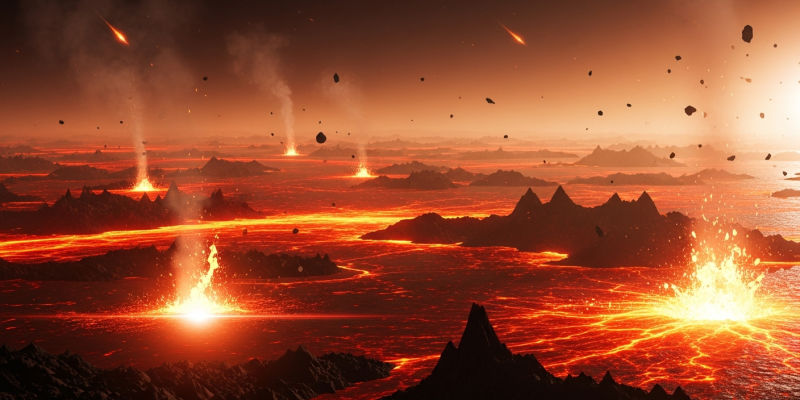
How scientists measured Earth's age
In 1956 Clair Patterson dated iron meteorites with lead isotopes and found 4.54 billion years. Meteorites formed with the solar system, so they record Earth's birth better than eroded rocks.
Lord Kelvin once estimated only 100 million years using cooling physics. He missed radioactivity, which heats the interior. Modern uranium-lead dating corrected the error by a factor of 45.
Oldest rocks confirm the date
Australian Jack Hills zircons date to 4.4 billion years, only 150 million years after formation. Moon rocks returned by astronauts give 4.5 billion years, matching meteorite clocks perfectly.
Earth's oldest whole rocks are 4.03 billion year old Acasta gneiss in Canada. No original crust survives because plate tectonics and impacts recycled it during the first 500 million years.
- Earth age: 4.54 billion years
- Patterson result published in 1956
- Jack Hills zircons: 4.4 billion years
- Acasta gneiss: 4.03 billion years
- Kelvin estimate: only 100 million years