Big 5 mass extinctions: when life almost ended
Earth suffered five great dyings, the worst 252 million years ago, each reshaping evolution forever.
Five dates every fossil fan knows
Geologists recognize five major dyings: Ordovician 444 million years ago, Devonian 372 million, Permian 252 million, Triassic 201 million and Cretaceous 66 million years ago. Each erased more than half of marine genera, with the Permian crisis removing about 90 percent of ocean species.
Causes differed each time: Ordovician ice sheets locked water and lowered seas, Devonian forests altered soils and oceans, Permian and Triassic volcanoes poisoned air, while the Cretaceous asteroid struck in hours. Recovery always required two to ten million years of slow rebuilding.
What killed so many and what survived
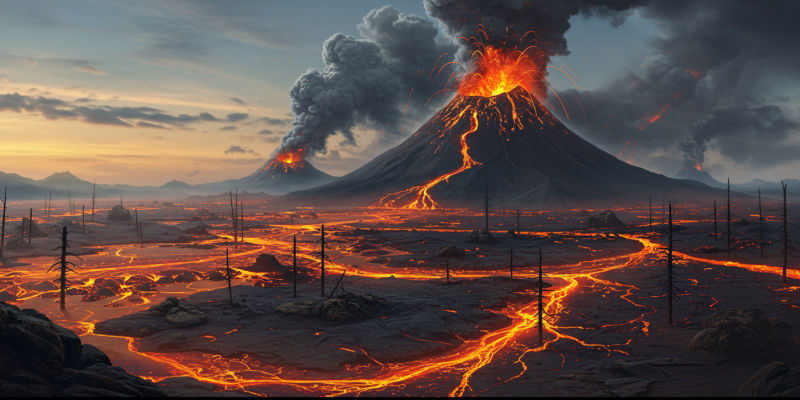
The Permian extinction was the largest, driven by Siberian lava covering one million square kilometres and releasing carbon dioxide, methane and acid gases. Oceans warmed ten degrees, lost oxygen, turned acidic, and food chains collapsed on land and sea within tens of thousands of years.
After each crisis survivors radiated fast: fish after Devonian, dinosaurs after Triassic, mammals after Cretaceous. Fossils show fungi and disaster species blooming first, then reefs and forests returning after millions of years, proving life is fragile yet remarkably persistent.
- Ordovician 444 Ma: ice age killed 85 percent of seas
- Devonian 372 Ma: reefs collapsed, fish suffered
- Permian 252 Ma: 90 percent marine, 70 percent land lost
- Triassic 201 Ma: volcanoes opened dinosaur age
- Cretaceous 66 Ma: asteroid ended dinosaurs