Snowball Earth: when the planet froze over twice
720 and 635 million years ago ice reached the equator and Earth turned into a white snowball twice.
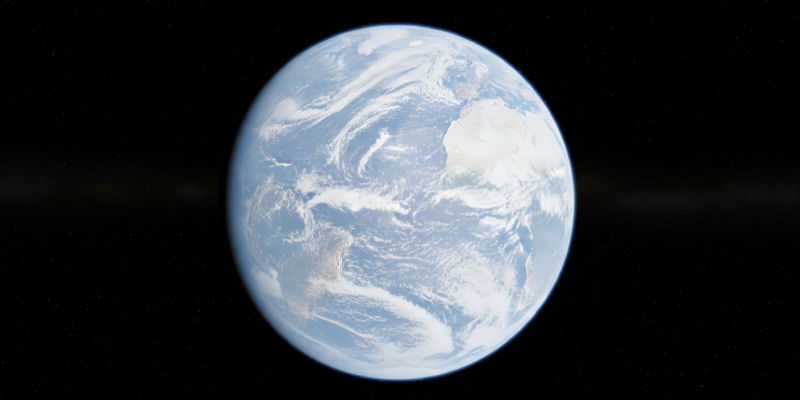
Ice from poles to equator
About 720 and 635 million years ago glaciers advanced from both poles to the equator, covering oceans in ice one kilometre thick for millions of years. Average temperatures fell to minus 50 degrees, and rain stopped because evaporation froze almost completely.
Geologists found dropstones dropped by icebergs into tropical seafloor muds in Namibia and Australia, proving equatorial ice. Above glacial deposits sit cap carbonates, pale limestone layers that formed when volcano carbon dioxide finally melted ice within 2000 years.
How life escaped the freezer
Volcanoes kept erupting through cracks, building carbon dioxide to 350 times modern levels until greenhouse heat cracked ice. Photosynthetic algae and sponges survived in meltwater ponds, hot springs and thin ice margins, with fossils showing plankton never fully vanished.
When ice melted, nutrients flooded seas and oxygen rose, fueling the Ediacara biota 600 million years ago and the Cambrian explosion 540 million years ago. Without Snowball stress, complex animals with eyes, legs and shells might never have evolved so fast.
- Times: 720 Ma Sturtian, 635 Ma Marinoan
- Ice: to equator, 1 km thick, minus 50 degrees
- Proof: dropstones, cap carbonates
- Escape: volcano CO2, 350 times modern
- Result: Ediacara, then Cambrian explosion